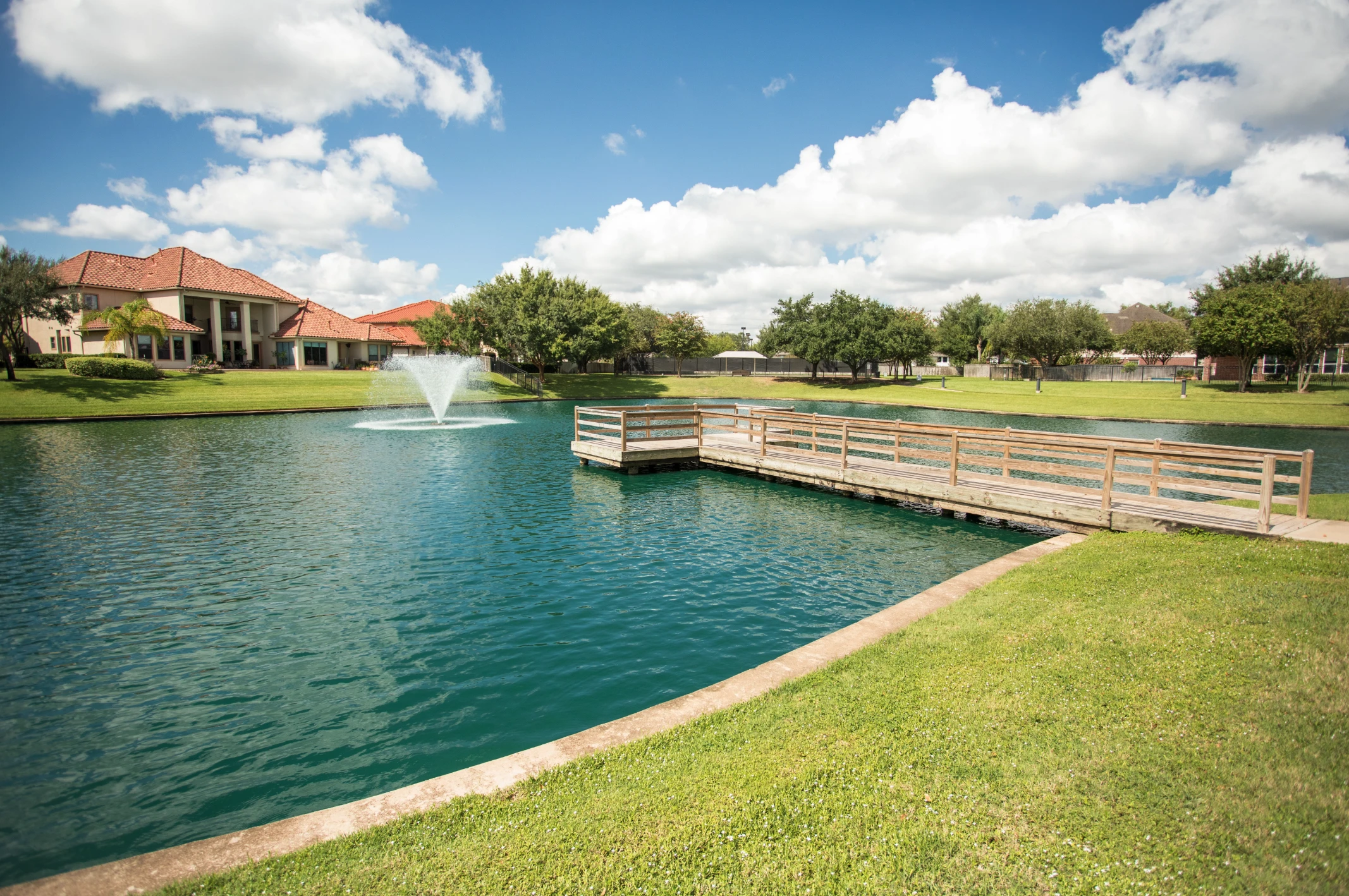
Explore Cane Island in Katy, Texas: its newer single-family, patio and custom homes, Cane Quarter amenities, location north of I-10 and west of the Grand Parkway, and the exact-address checks buyers should make for schools, county, municipal utility district (MUD), homeowners association (HOA) and flood information.
Cane Island is a roughly 1,100-acre master-planned community in Katy, Texas, just north of Interstate 10 and west of the Grand Parkway. Its shared features include newer homes, long trails, lakes and Cane Quarter, the pool, fitness and gathering area at the center of the community.
A master-planned community is a large neighborhood designed as one project, with homes, streets, parks and shared amenities planned together.
The community began taking shape in the mid-2010s. Today, its housing includes production single-family homes, patio homes and custom homes. That range is useful, but it also means that two houses with the same Katy address can have different lot sizes, school assignments, taxing units and homeowners association (HOA) details.
This guide explains where Cane Island is, how it grew, what the homes and amenities are really like, and the checks a buyer should complete for the exact address rather than for the community as a whole.
Where Cane Island is
Cane Island sits in the Katy area along Cane Island Parkway. The road runs north from Interstate 10 into the community. The official Cane Quarter address is 2100 Cane Island Parkway, Katy, Texas 77493. The community is described by its official website as north of I-10 and just west of the Grand Parkway, also known as State Highway 99.
That location matters because Cane Island Parkway gives residents one clear route toward the freeway. Franz Road forms another useful east-west reference. The Energy Corridor, Katy Mills, LaCenterra at Cinco Ranch and downtown Katy are nearby destinations outside the community.
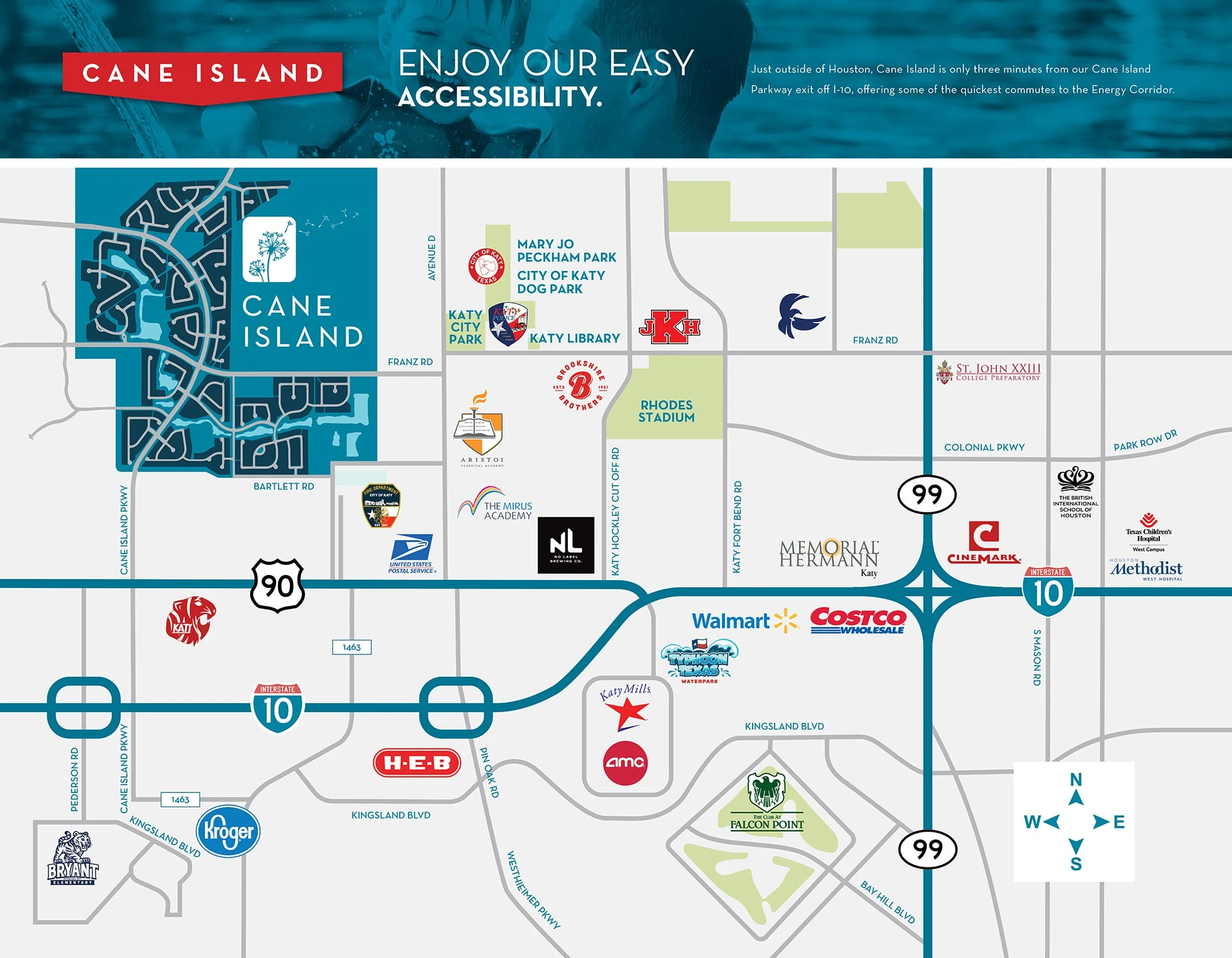
Inside Cane Island
- Cane Quarter and The Oaks Kitchen & Bar
- Robertson Elementary School
- Paperback Park and community playgrounds
- Trails, lakes and residential sections
Nearby, outside the community
- Interstate 10 and the Grand Parkway
- Franz Road grocery and retail stops
- Katy Mills and LaCenterra at Cinco Ranch
- Energy Corridor employment areas and downtown Katy
Test your commute from the actual house at the time you would normally travel. Traffic and which freeway entrance you use can make a difference.
What makes Cane Island different
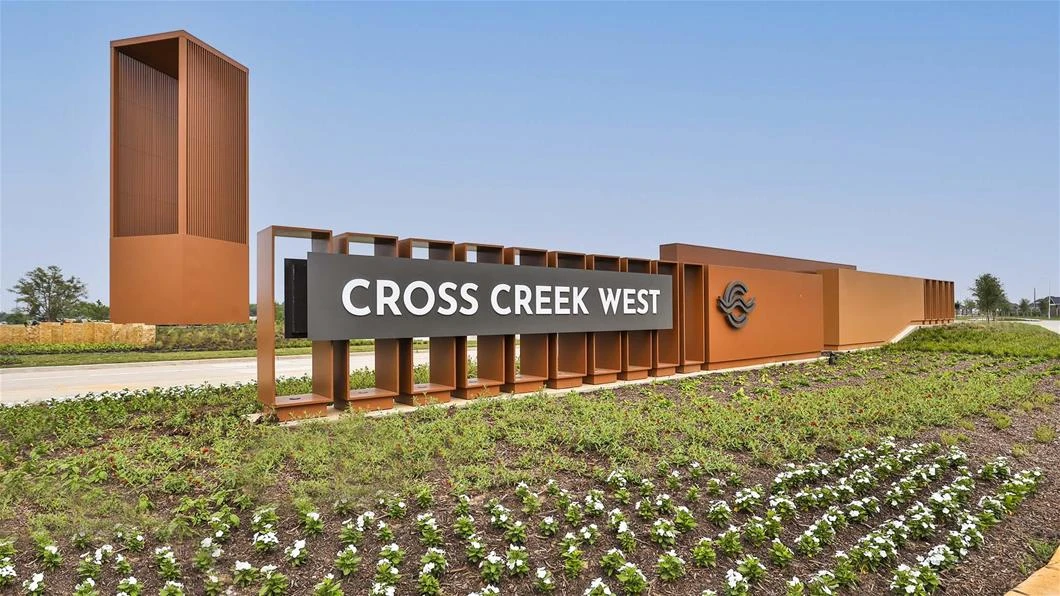
Cane Island was planned as a complete community instead of a row of houses beside a road. Its roughly 1,100 acres include residential streets, waterways, open space, parks and a central amenity village. The plan is visible from the entrance, where the Living Arches rise over the roadway, and again at Cane Quarter, where the pools, lawn, restaurant and gathering rooms are grouped together.
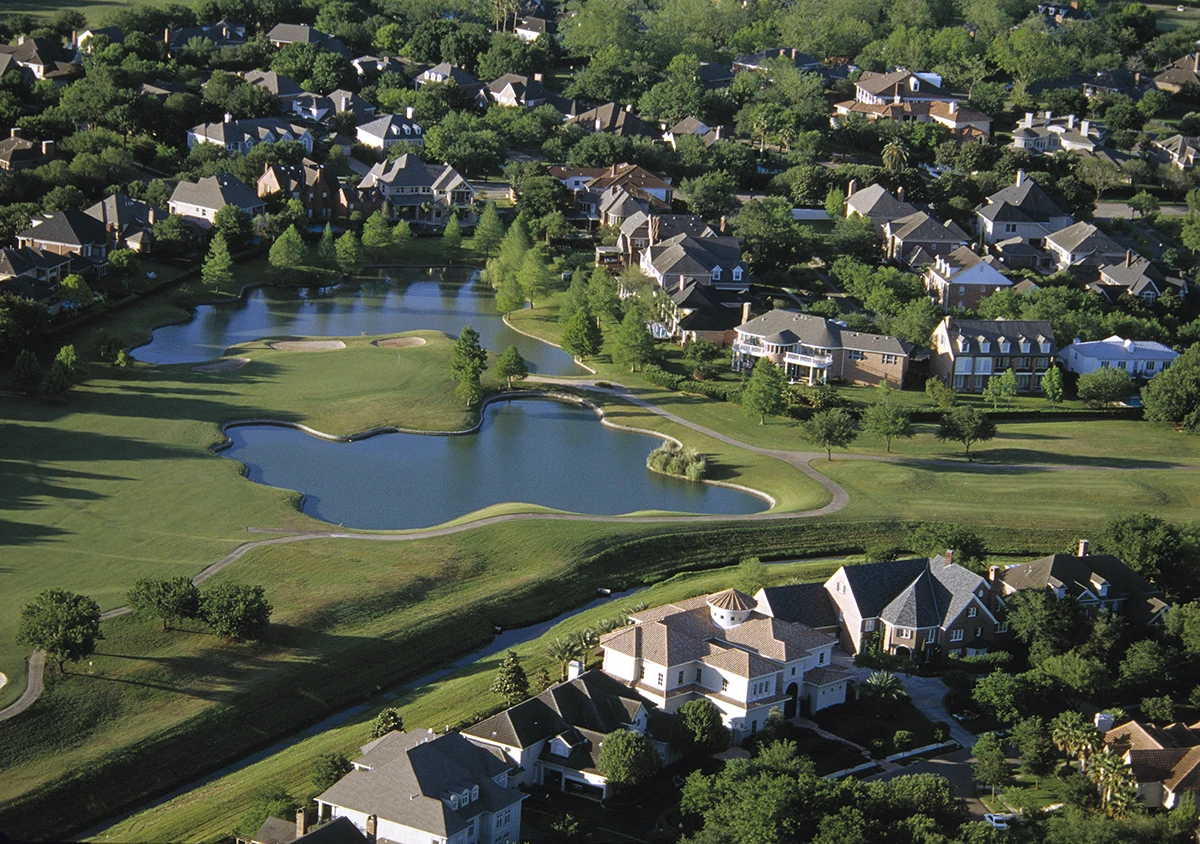
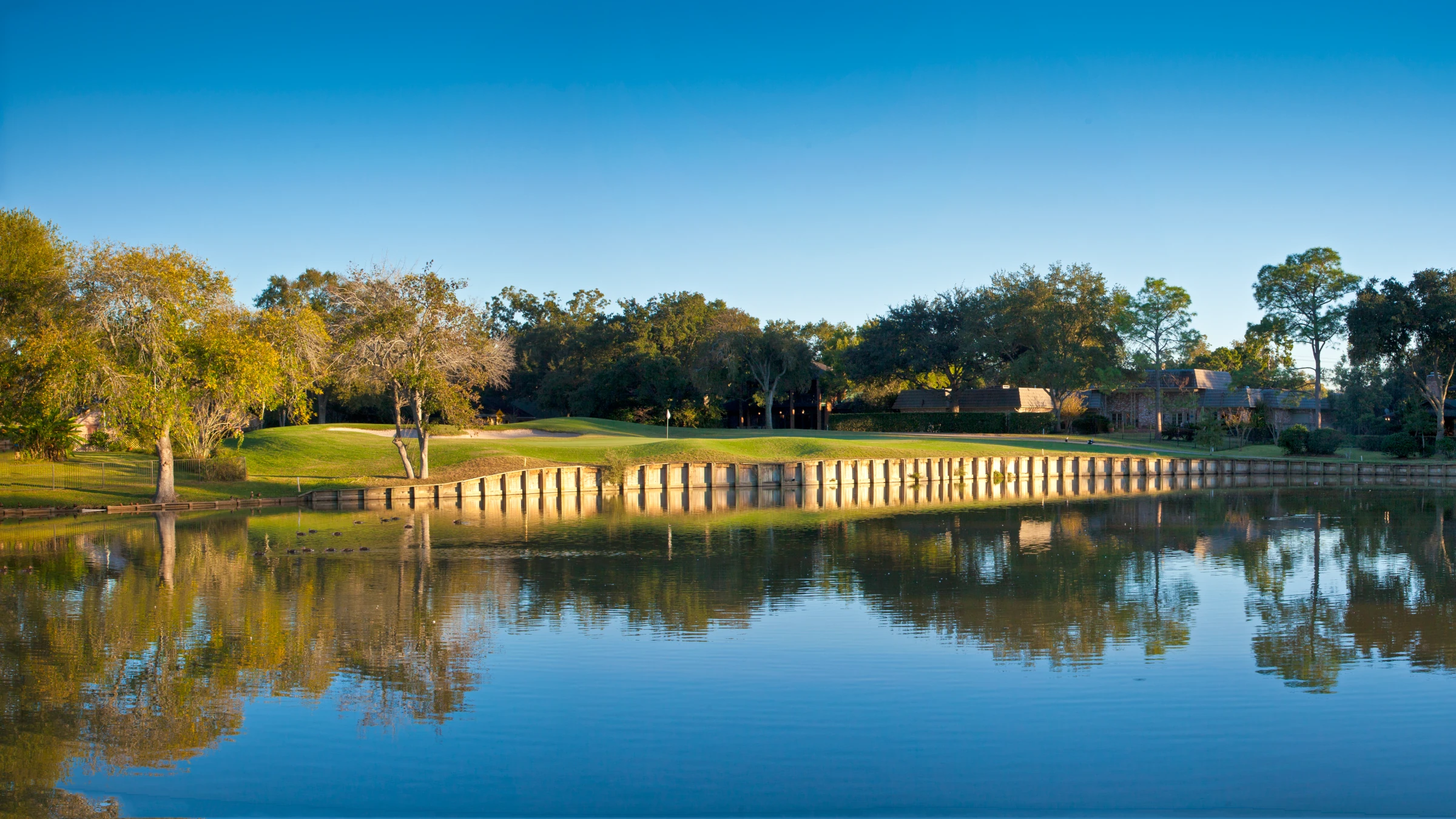
Inside the neighborhood, the streets generally curve around lakes, detention areas and green space. Many homes are newer, with attached garages, fenced rear yards and planned landscaping. The community also uses trees and water features to soften the open Texas prairie setting.
A buyer should understand the everyday character too. Cane Island is a large suburban community built around the car. It is not a historic district, a small downtown neighborhood or a place where most daily errands can be completed on foot. Trails work well for walks and bike rides inside the community, while groceries, schools outside the property, medical care and most jobs require a drive.
How Cane Island developed
The name Cane Island is older than the current subdivision. The City of Katy says the earliest settlement known as Cane Island was dated to 1872 and was named for Cane Island Creek. The town site of Katy was laid out in 1895, and the City of Katy was incorporated in 1945.
The modern master-planned community is a separate, much later project. It reuses an old local place name. Buyers should not read the 1872 date as the age of the houses.
- 1872The City of Katy's history identifies an early settlement known as Cane Island, named for Cane Island Creek.
- 1895–1945The Katy town site was laid out in 1895, and the City of Katy was incorporated in 1945.
- 2014Developers announced plans and began road and site work for the modern Cane Island community.
- 2015The first new-home contracts were reported in March, and the first residents moved in by September.
- Since 2015Housing sections, schools, parks and Cane Quarter amenities were built in stages, with some later areas added after the first residents arrived.
This history helps explain why homes can look similar while still differing in age, builder, homesite size and nearby construction. A first-phase house and a later-phase house may have different finishes, systems, warranty history and street settings. Ask for the year built, the section name and the date work was completed.
Useful historical context comes from the City of Katy's history page, while the modern opening dates are documented in dated 2014 Community Impact reporting and a 2015 Rise Communities announcement.
Homes and smaller areas in Cane Island
Cane Island is not one uniform housing product. Its official builders page describes choices ranging from production homes to custom homes on half-acre-plus homesites. Lot width, gate access, builder plan and location inside the community can change the feel and cost of a home.
| Home type | What it usually means | Questions to ask | Evidence |
|---|---|---|---|
| Production single-family | One- and two-story homes built from builder plans on a range of residential homesites. | Section name, homesite width, year built, upgrades, remaining builder warranty and current inventory. | Cane Island's current builders page and dated section maps. |
| Patio homes | A more compact or single-story format, sometimes in a gated section, designed for lower exterior upkeep. | Exterior maintenance rules, backyard size, gate access, HOA dues and whether the section is still being sold. | Patio homes on gated 55- and 65-foot homesites were announced in 2015; current availability can change. |
| Custom homes | Individually designed homes on larger, often gated or premium homesites. | Survey, build timeline, architectural controls, utility easements, special assessments and completed comparable sales. | The official The Estates page describes a gated custom section on half-acre-plus sites. |
Why section names and homesite widths matter
Cane Island's August 2023 model map listed sections by homesite width instead of treating the whole community as one product. The map included examples such as Compass Rose and Royal Manors around 55 feet, North Cascades, Monarch Fields and Rolling Trails around 60 feet, Cypress Cove, Redwoods and The Springs around 65 feet, Myrtle Manor and The Uplands around 70 feet, and Mirabeau Ridge, Starling Heights and Champions Trail around 80 feet.
Those names are a dated snapshot, not a promise that a lot is currently for sale. Use them to understand the pattern: a wider homesite can mean a larger home, more side-yard space, a different street pattern and a different price. A smaller homesite may offer a more manageable yard. Always match the section name on the listing to the legal description and survey.
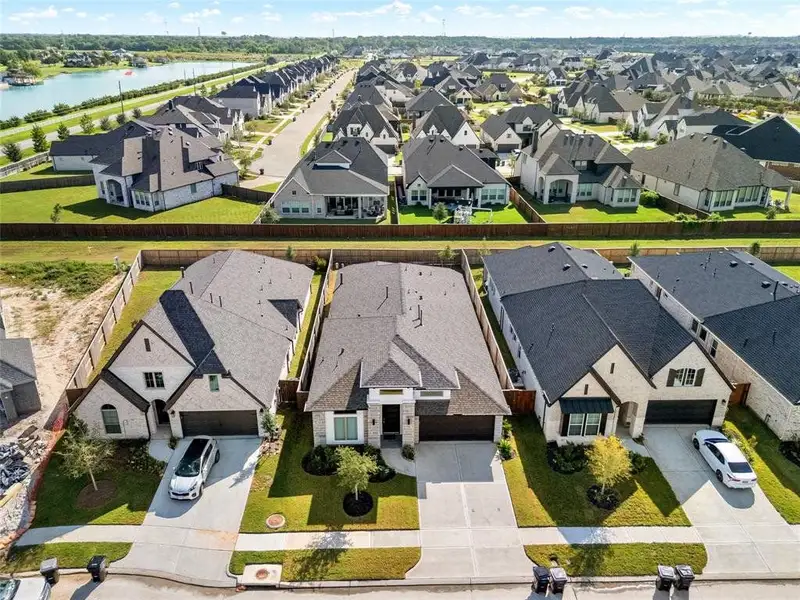
New construction and resale are different checks. A new home may include builder incentives and a written warranty, but the buyer should learn how warranty requests are submitted and which deadlines apply. A resale home has a maintenance history, but the buyer should check the ages and condition of the roof, HVAC, water heater, fence, sprinkler system and other equipment. Request permits, inspection reports, service records and HOA approval letters for major exterior work.
Cane Quarter, parks and community amenities
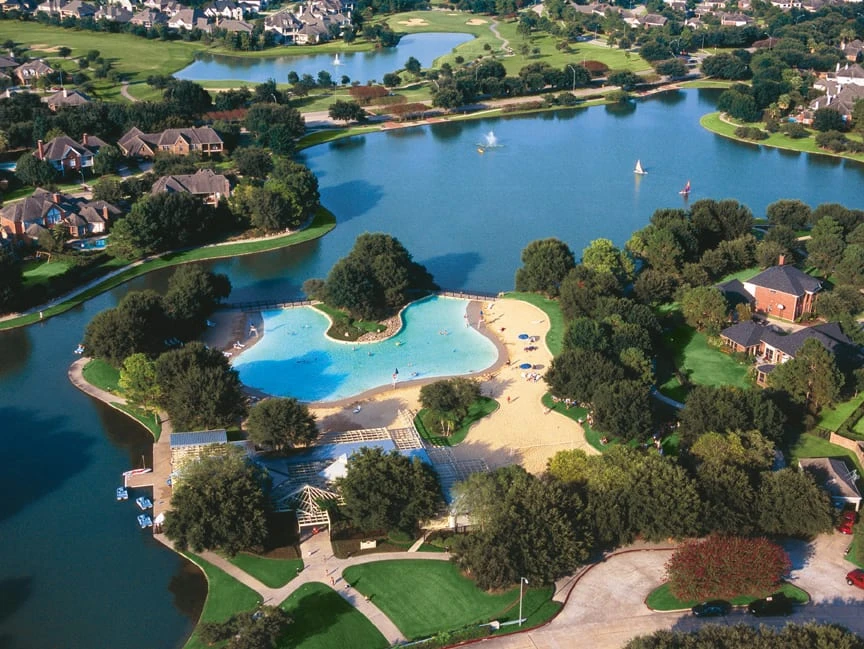
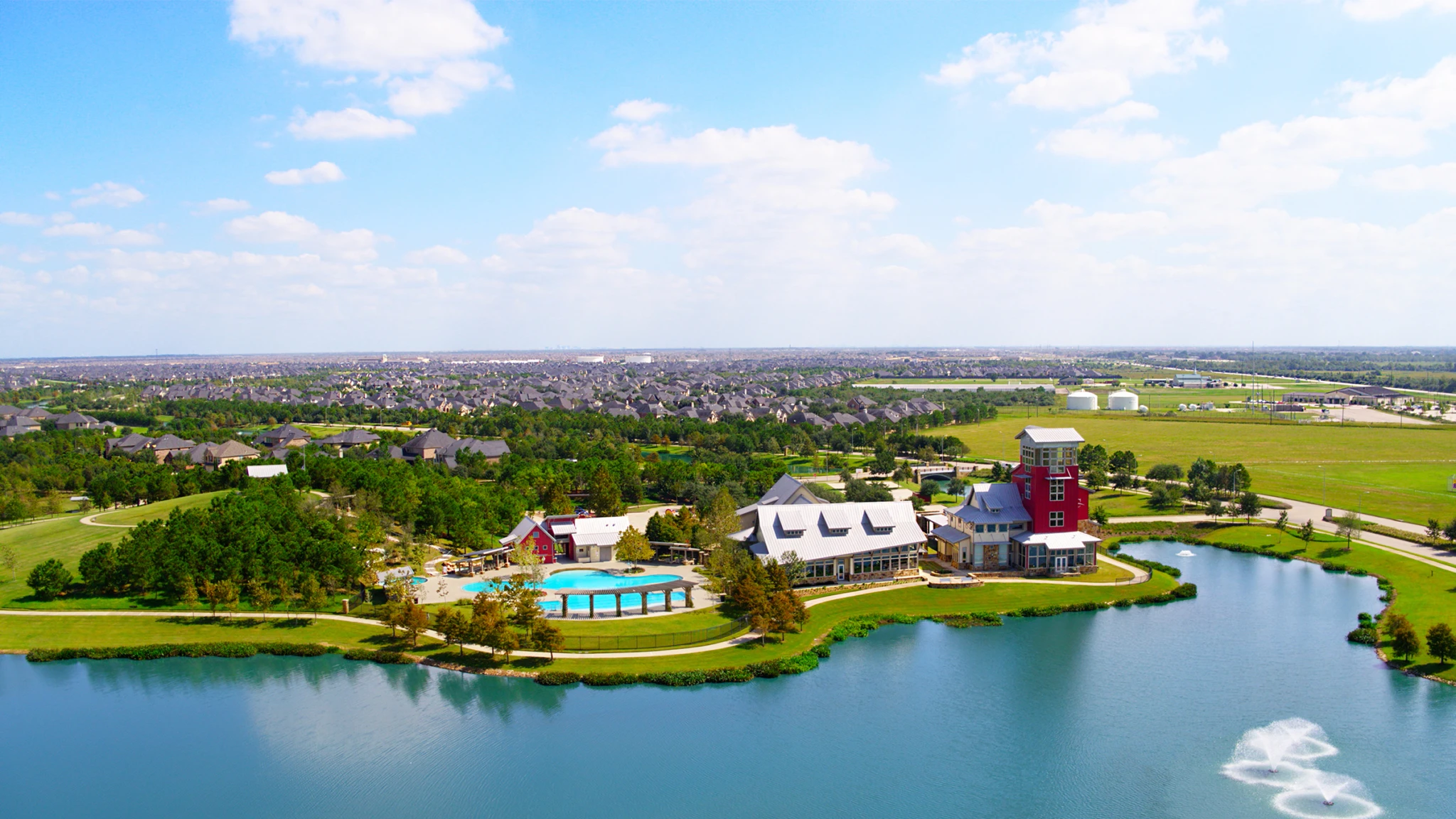
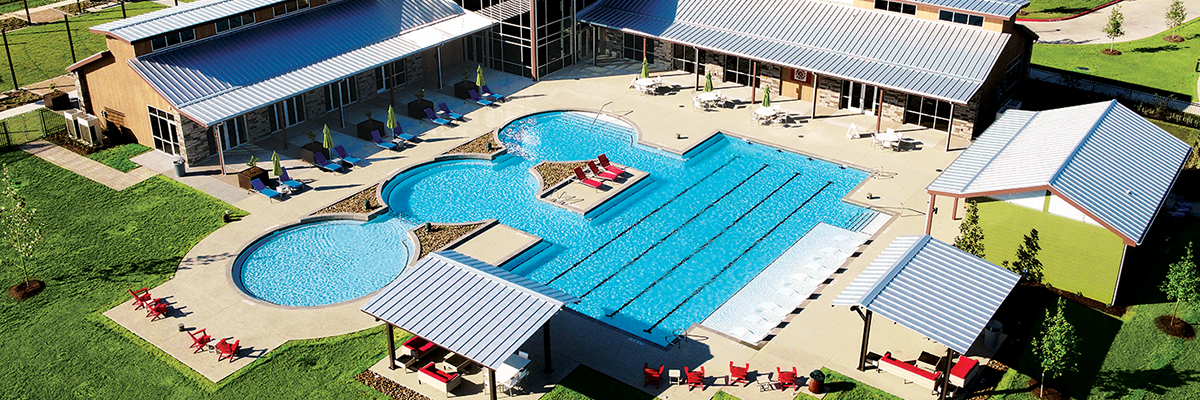
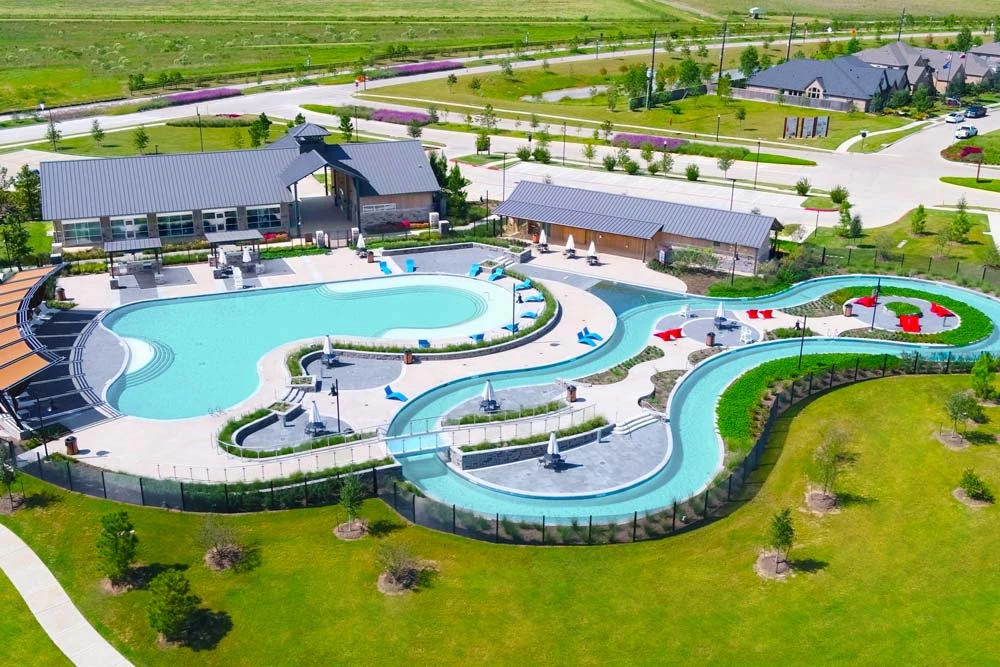
Cane Quarter is the main reason Cane Island feels different from a plain subdivision. It gathers the shared amenities in one place so residents can swim, exercise, eat and attend events without leaving the community.
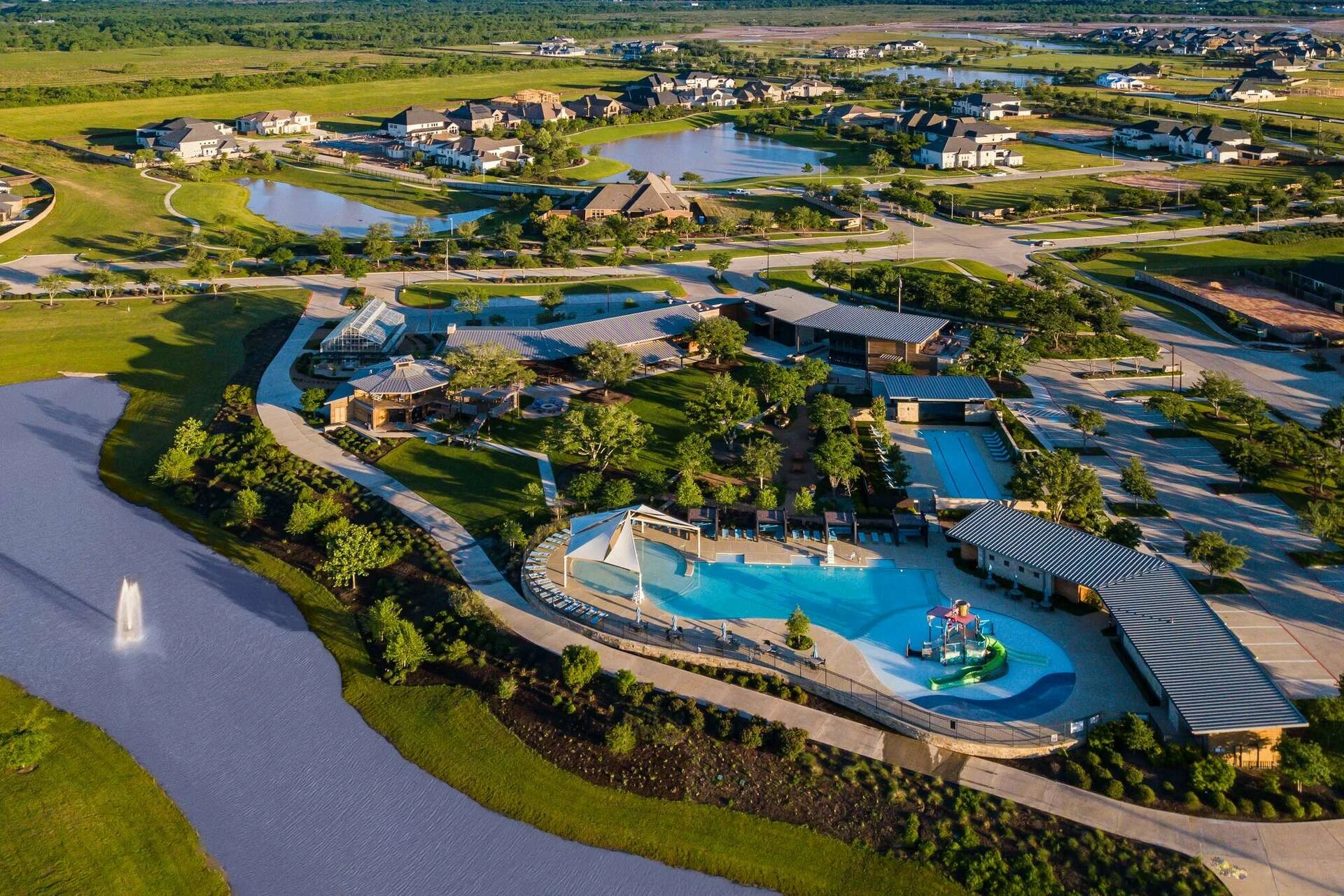
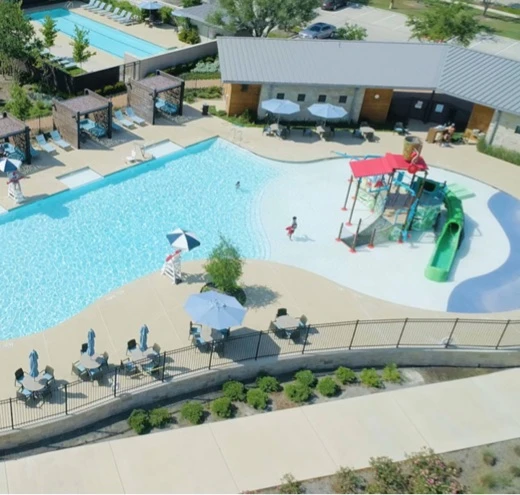
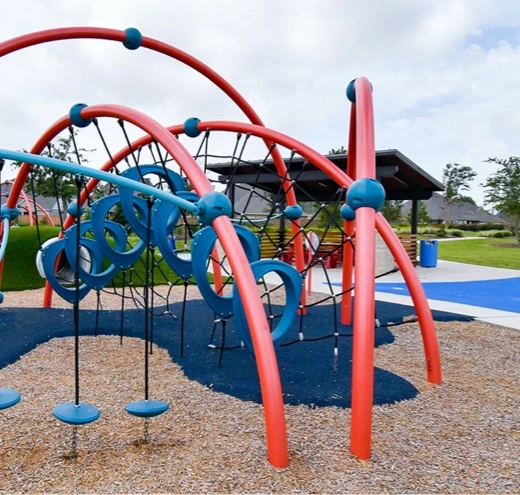
The official amenities page is the starting point for the current list. Before relying on a feature, confirm its hours, age limits, reservation rules and whether it is open only to residents. Some events may be resident-only, while the restaurant serves visitors as well as residents.
What ownership generally includes: shared trails, parks and resident amenities are connected to membership in the community and its HOA rules. What is not automatically included is every purchase or service. Restaurant checks, private reservations, special classes and guest charges may cost extra. Read the current HOA documents and ask the community manager what access method is required for pools, gates and buildings.
Everyday life, errands and schools
Daily life in Cane Island is mostly car-based. Cane Island Parkway provides the main connection to I-10, while Franz Road and the wider Katy road network reach stores and services around the area. The official map places grocery and retail choices near Franz Road and along the I-10 corridor, including Brookshire Brothers at 5249 Franz Road. Larger shopping areas include Katy Mills and LaCenterra at Cinco Ranch.
For a routine week, drive the trip from the actual home at the time you would normally leave. Check school drop-off traffic, freeway entrance conditions and the route to your preferred grocery store. If public transportation is important to you, verify current service for the exact address rather than assuming a suburban community has a nearby fixed route.
Schools: start with Katy ISD, then check the address
Cane Island is served by Katy Independent School District. The community's official schools page identifies Robertson Elementary School at 7400 Innovation Drive as an on-site campus. That is useful orientation, but it does not replace an address-level attendance check for every grade and every section.
Katy ISD provides a School Assignment by Residential Address tool, called SARA. Enter the exact street address to see the district's current assignment. The Katy ISD attendance-zone page and Find My School page are the official starting points.
Do not use a school rating or a nearby school's name as proof of assignment. Boundaries can change, and a school inside or next to a community does not automatically serve every address. Confirm the assignment for the contract address, then ask Katy ISD about grade levels, transfers and any future boundary changes.
What ownership involves: five checks by address
The most important rule for Cane Island is simple: verify the exact property, not just the community name. County, city, municipal utility district (MUD), HOA and school information can differ by section. A Katy mailing address proves where mail is delivered; it does not settle every public or private obligation attached to the home.
County, city limits and services
The City of Katy describes itself as the hub of three counties: Harris, Waller and Fort Bend. That fact describes the city, not a promise that every parcel in a Katy-address community lies in all three counties.
Search the exact address in the property records for Fort Bend, Harris and Waller counties, then confirm whether the home is inside city limits or in another jurisdiction. The relevant official searches are Fort Bend CAD, Harris CAD and Waller CAD.
MUD and the taxing units
A municipal utility district, or MUD, is a local government created to provide services such as water, wastewater and drainage. It may issue bonds for infrastructure and may levy a property tax to pay for them. The Texas Commission on Environmental Quality explains these duties in its Texas Water Districts guide.
Do not apply one community-wide tax rate to every home. The exact property's appraisal-district record lists the taxing units and current rates. Ask for the latest tax bill and have the lender or title company estimate the real annual cost.
School assignment
Use the exact address in Katy ISD's SARA tool. Save the result and ask the district to confirm the schools for the grade levels your household will use. Recheck before closing because attendance boundaries can be modified.
Robertson Elementary's location inside Cane Island is useful, but it is not a substitute for the district's assignment result.
HOA, deed rules and outside work
Request the current HOA disclosure, dues, budget, meeting notes, money set aside for future repairs, rules and any extra charge called a special assessment before you remove contingencies. The community's official site has a tax and HOA information area, but the property-specific documents control.
Ask how architectural review works. Fences, pools, sheds, solar panels, added trees, paint changes and other outside work may need approval. Keep approval letters with the home's records.
Flood map, elevation and insurance
Cane Island includes lakes and waterways, and the area's history is tied to Cane Island Creek. No single flood answer should be used for the whole community. Check the exact address on the FEMA flood-map service, then ask the insurance provider what coverage is recommended.
A map zone is only one part of the decision. Elevation means how high the home sits above the ground. Drainage, finished-floor height, past water issues and the lender's requirements also matter.
Other ownership details to ask about
- Current phase and nearby work: Cane Island has been built in stages since the mid-2010s. Ask what is finished, what is planned and whether construction affects the street now.
- Warranty and inspections: learn who handles a warranty claim, how long coverage lasts and what documentation is required. For a resale, hire an independent inspection and ask for repair records.
- Trees, irrigation and heat: planned landscaping looks good, but it needs water, trimming and seasonal care. Review irrigation controls, sprinkler repairs and any HOA landscape rules.
- Insurance and utility setup: get a current homeowners insurance quote, confirm the electricity provider and learn how water, sewer, trash and internet are billed.
- Shared costs: HOA dues, MUD taxes, city or county taxes, insurance and special assessments are separate line items. Compare them together rather than looking at only the mortgage payment.
Why people consider it—and the tradeoffs
Cane Island can be a good fit when a buyer values newer construction, shared amenities and a clear route toward I-10. It can be the wrong fit when a buyer wants an established historic neighborhood, a short walk to daily shopping or a simple, predictable tax and school answer without address research.
| Reasons people look closely | Reasons to pause and verify |
|---|---|
| Newer homes with modern layouts and systems. | Section, builder, age, warranty and maintenance history still vary. |
| Pools, fitness, trails, parks and gathering spaces in one community. | Shared amenities and HOA costs may be more than a buyer needs, and access rules can change. |
| Single-family, patio and custom-home choices. | Different homesite sizes, gates and sections can produce very different costs and daily settings. |
| Cane Island Parkway connects the community toward I-10. | No commute time is guaranteed; test the actual route and traffic. |
| Katy ISD and an on-site Robertson Elementary address. | Every address must be checked in the district tool, and boundaries can change. |
| Lakes, trails and planned green space. | Water features, landscaping, heat, irrigation and insurance still require care and ongoing cost. |
A useful way to decide is to compare a few actual homes. Walk the route from the driveway to the amenities. Read the HOA rules. Check the school result, tax record and flood map. Then compare the total monthly cost and the amount of upkeep you are comfortable carrying.
Buying and selling in Cane Island
If you are buying
- Compare a current builder home with a resale. They can have different incentives, ages, warranties and repair histories.
- Confirm the section name, homesite width, legal description and survey.
- Get current HOA dues, rules, budget and any planned assessments.
- Use the exact address for school, county, MUD, tax and flood checks.
- Ask what shared amenities are open now, which are restricted to residents and which services cost extra.
- Drive the real route at the time you would normally travel.
If you are selling
- Show the home's age, section, lot size and any builder warranty that still applies.
- Gather HOA documents, tax bills, survey, permits and letters for outside work.
- Keep records for roof, HVAC, sprinkler, fence and other major repairs.
- Explain access to Cane Quarter, parks and trails accurately.
- Recheck school and tax information before publishing it; do not use an old boundary, rate or price as a current promise.
- Use current photos and note any construction or phase changes a buyer will notice.
For any specific purchase or sale, review the address, property documents and current market options together before making a decision.
Cane Island FAQs
Where is Cane Island in Katy?
Cane Island is north of Interstate 10 and west of the Grand Parkway. Cane Island Parkway connects the community toward I-10, and the official Cane Quarter address is 2100 Cane Island Parkway, Katy, Texas 77493.
Is Cane Island inside the City of Katy?
The community is generally described as a Katy-address community, but city limits, county jurisdiction and service boundaries must be checked for the exact parcel. The City of Katy itself spans Harris, Waller and Fort Bend counties. A mailing address alone does not answer the question.
What kinds of homes are in Cane Island?
The community includes production single-family homes, patio homes and custom homes. Homesites and sections differ in width, setting, gate access and age. The current builder lineup, inventory and prices change, so confirm them directly.
What are the main amenities?
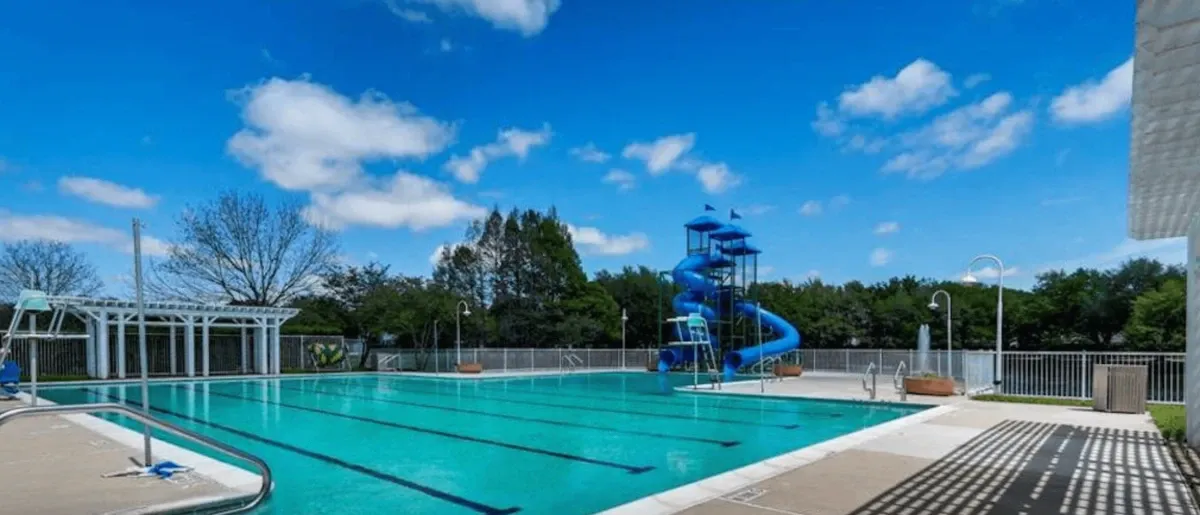
Cane Quarter includes a family pool and splash area, a year-round lap pool, fitness center, yoga and spin studio, central lawn, Conservatory and The Oaks Kitchen & Bar. The community also has trails, lakes, playgrounds and Paperback Park.
Are all amenities included with ownership?
Shared community amenities are tied to ownership and the current HOA rules, but purchases and special services are separate. A restaurant meal, private reservation, guest charge or special class may cost extra. Confirm access rules and fees in the current HOA documents.
Which schools serve Cane Island?
Cane Island is in Katy Independent School District, and the community's official page identifies Robertson Elementary at 7400 Innovation Drive as an on-site campus. Use Katy ISD's address tool for the exact elementary, junior high and high school assignment. Do not rely on a nearby school's name or a rating.
Do county, MUD and school assignments vary by section?
Yes, that is why the exact address matters. Search the property record for the county and taxing units, use Katy ISD's SARA tool for schools, and review the HOA and MUD documents for the property. Do not apply one community-wide answer to every home.
Is Cane Island in a flood zone?
A flood answer must be checked for the exact property. Use the FEMA address lookup, ask for elevation information when it is available and get an insurance quote. The presence of lakes, waterways or a community name is not enough to determine a property's flood zone or insurance requirement.
How long is the commute from Cane Island?
There is no single guaranteed time. Cane Island Parkway provides a direct route toward I-10, but travel time depends on the destination, traffic, entrance ramps and time of day. Test the route from the actual house.
What should I ask about HOA fees and property taxes?
Ask for the current HOA statement, dues schedule, budget, reserves, special assessments and rules. For taxes, ask for the latest tax bill and the exact taxing units shown by the property record. Include HOA, MUD, county or city, school, insurance and any special assessments in the total cost.
What should a Cane Island seller prepare?
Prepare current HOA documents, tax bills, survey, permits, architectural-approval letters, warranty information and repair records. Recheck school boundaries, tax information, amenity access and construction status before making a claim.
How can I get help with a specific address?
Bring the full street address, the section or subdivision name if it is known, and the questions you want answered. A useful review compares the property record, school result, HOA documents, flood map, route and current home condition before you make an offer or list the home.
Planning to buy or sell in Cane Island?
Sonia Noman can help you work through a specific Katy address, including the questions that change from one section to the next. Start a conversation about your next move.